Sustainable Nutmeg Oil: Questions Worth Asking
"Sustainable nutmeg oil" is an easy phrase to print on a label and a hard one to pin down. Sustainable for whom: the tree, the soil, the grower, the buyer? Nutmeg is a good test case because its supply chain is long and mostly small-scale, and each link has a different answer. Here is what the sources tell us, and the handful of questions that cut through the marketing.
Nutmeg Essential Oil
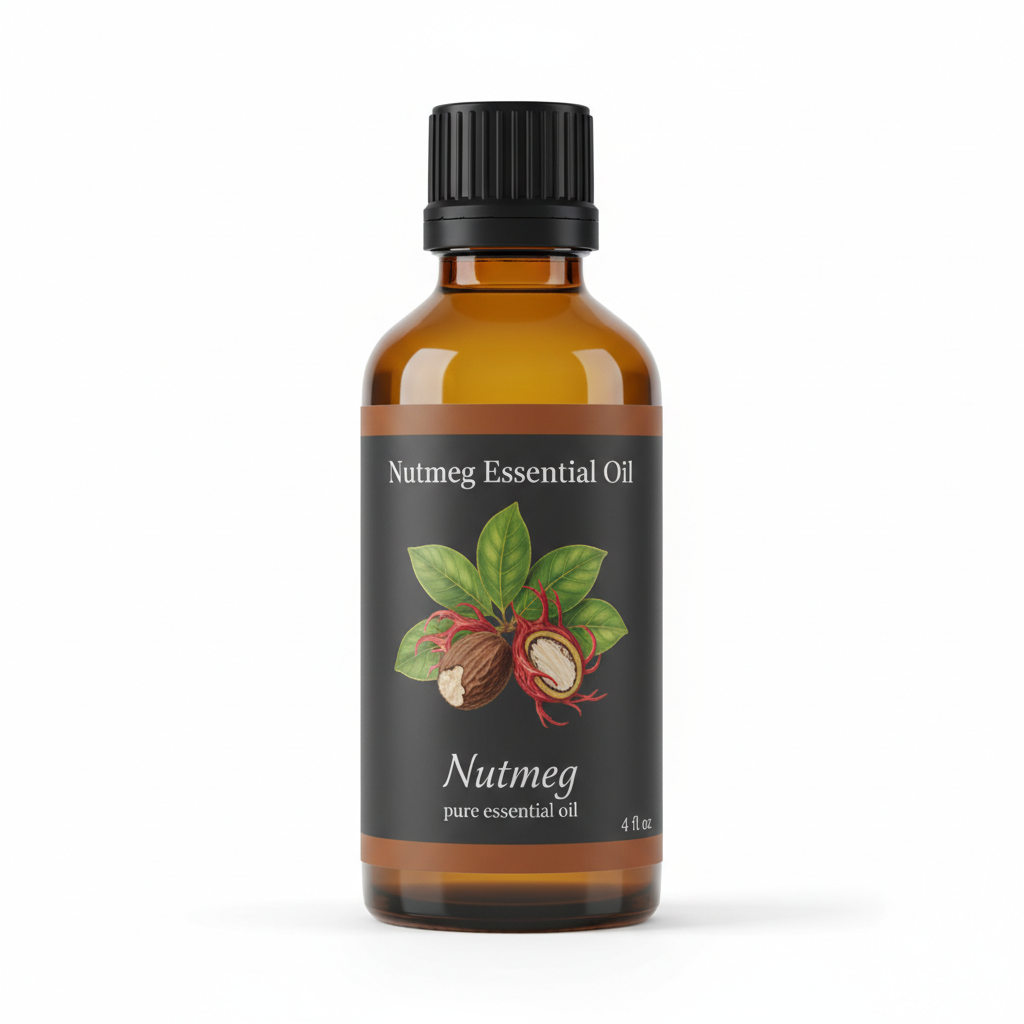
Our own Nutmeg Essential Oil, in sizes from 0.5 oz to bulk.
From $10.99
Shop Now →A crop of small farms
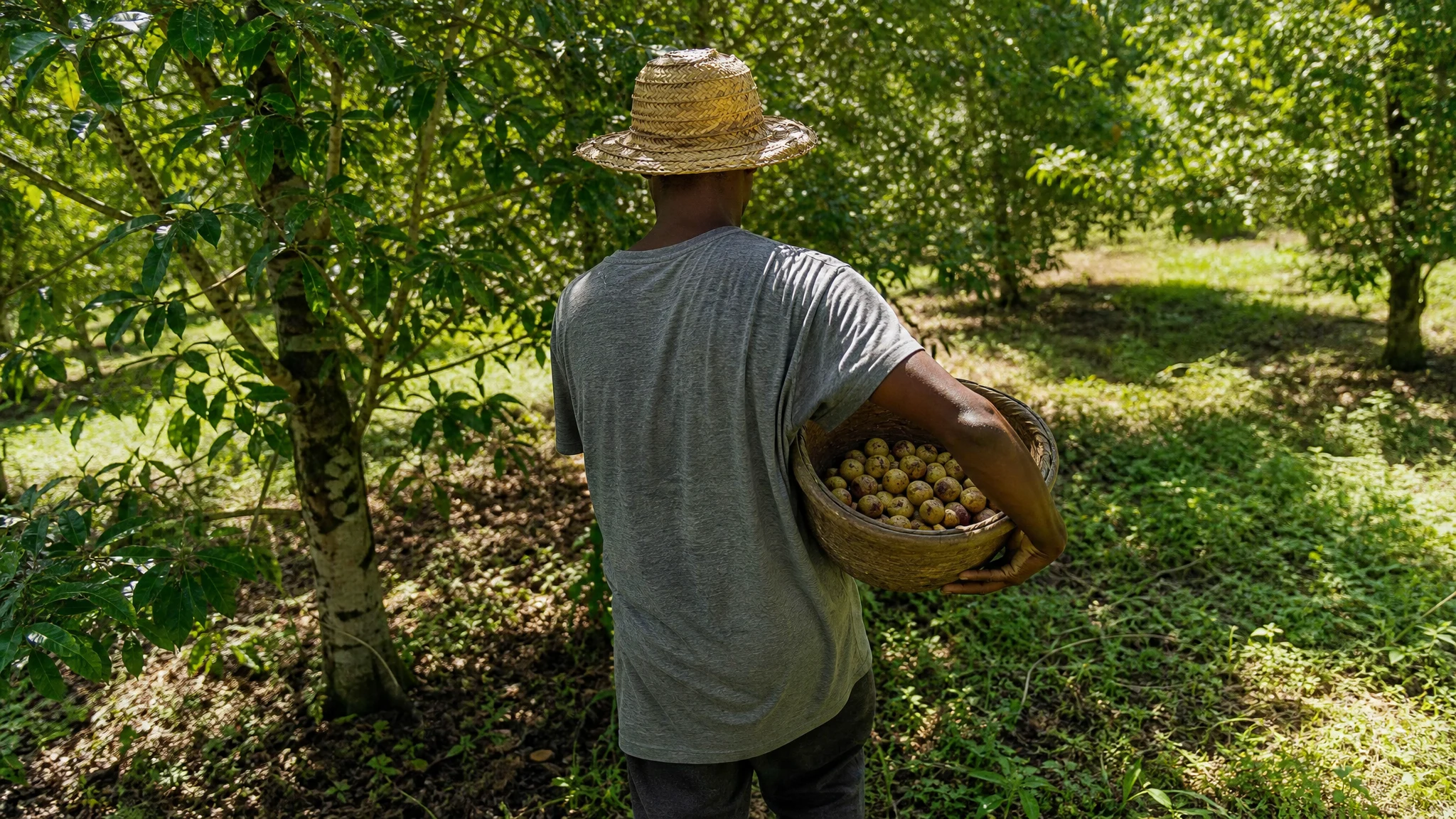
A 2024 policy paper from the FFTC Agricultural Policy Platform reports that most nutmeg farms in Indonesia belong to smallholders (99.81%). The same paper says the price growers receive fell by about 5.39% a year between 2015 and 2019. Compounded over four years, that is a fall of roughly 20% (0.9461 to the fourth power is about 0.80). Our reasoning from those figures: nutmeg is a tree crop, so a grower cannot simply switch to something else when prices dip, and a steady, fairly paid buyer matters more than any slogan.
Why "sustainably sourced" needs a second sentence
US regulators have a view on this kind of phrase. The FTC's Green Guides (16 CFR 260.4) say unqualified general environmental benefit claims are hard to interpret and likely convey a wide range of meanings, and that marketers are unlikely to be able to substantiate every reasonable reading. In plain terms, "eco-friendly" on its own means little. "Certified by this body, certificate number this, covering that farm and product" can be checked.
A tree you wait for
One thing worth knowing about nutmeg is how patient the crop is. A tree is a long-term partner, and the people who tend one are thinking in years, not weeks. When you hold a bottle of nutmeg oil, there is a lot of waiting hidden in it. That is part of why we like the topic: it makes you slow down and think about where a small bottle of something fragrant comes from.
Certifications each cover something different
Fairtrade is a scheme about the terms producers are paid on. The Dutch import-promotion agency CBI counted 24 Fairtrade certified nutmeg producers worldwide as of October 2023, 8 in India and 16 in Sri Lanka, so for most nutmeg origins it is not on the menu. Organic certification, under EU rules, means the growing and processing sites are audited by an accredited certifier, and the label shows the certifier's name or code and a certificate number. That speaks to farming and handling methods. Neither scheme says anything about how old the trees are or how a farm weathers storms.
It is also worth remembering that a certificate belongs to an operation and a scope. Whether a particular bottle of oil can carry it depends on how the lot was tracked from farm to still. That last point is our inference from how certification generally works, which is why we suggest asking for the scope in writing.
Quality and sustainability meet at the harvest
Here is one place where the two ideas overlap. CBI reports that the EU's food and feed alert system recorded 44 nutmeg cases between January 2020 and October 2023, all related to mould, and that Indian and Indonesian nutmeg face official aflatoxin checks on 30% of shipments. Good drying and storage protect the farmer's income and the buyer's product alike. That record concerns whole spice. Whether anything carries over into a distilled oil is a fair question to put to a seller.
What a good answer looks like
When you send questions, notice the tone of the reply as well as the content. A clear, specific answer, even a short one, is a good sign. A reply that is vague, rushed or full of slogans is useful information too. You do not need to be an expert to tell the difference, and you never need to apologize for asking.
Seven questions worth sending any supplier
- Which species and which part of the plant: kernel (nutmeg) or aril (mace)? They give different oils.
- Which country, region and harvest year, and how is that documented?
- What exactly is the claim, in a sentence you can keep?
- If a certificate is cited: certifier, number, scope and expiry, and does it cover the lot you are buying?
- Can the lot be traced, and is there a batch code on the label?
- Who tested it, for what, and is there a report you can have?
- What did the grower receive, and through whom?
We do not attach a certification or fair-trade claim to our nutmeg oils, so the same list applies to us. If a specific document matters for your product, ask us in writing through the contact page before ordering, and get the answer in writing.
For help reading the paperwork you get back, see our guides to GC-MS reports and to organic versus conventional nutmeg oil, and the Grenada story for what a single storm can do to a tree crop.
Small steps count
Nobody can verify every link in a supply chain from a kitchen table, and that is fine. Asking one or two sensible questions, reading the answers and choosing what feels right to you is a perfectly respectable way to shop.
Good sourcing questions are a kindness to everyone in the chain, and the best suppliers tend to enjoy answering them.
Nutmeg Essential Oil
Nutmeg Essential Oil from our own shop, in sizes from 0.5 oz to bulk.
From $10.99
Shop Now →