Nutmeg Oil Around Cats and Dogs: Check Before You Diffuse
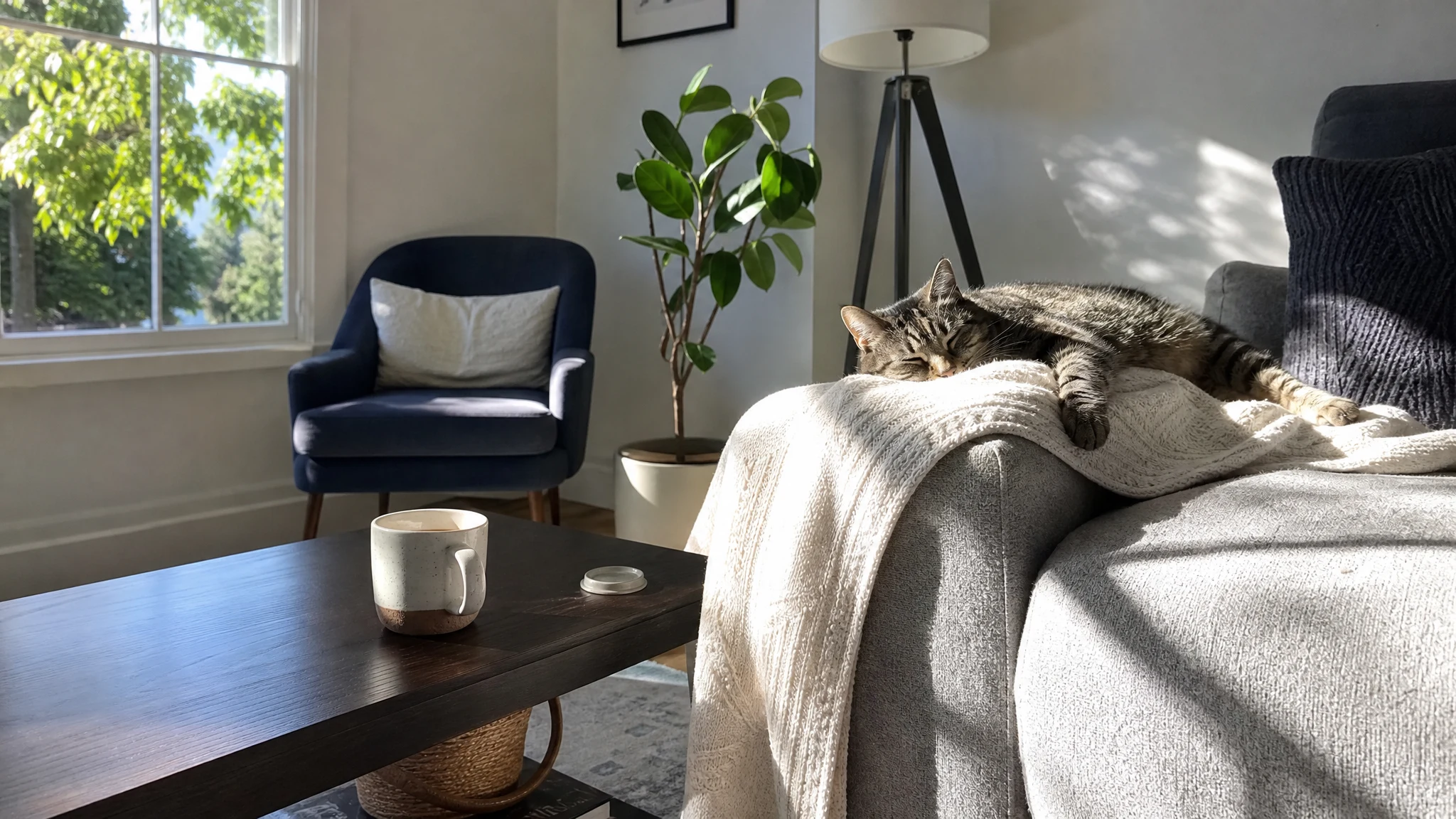
The question usually arrives the moment someone smells a warm, spicy room scent and then looks down at the cat curled on the sofa. It is a fair thing to stop and ask. Animals live in the same air we do, they have far more sensitive noses, and they groom whatever lands on their coats.
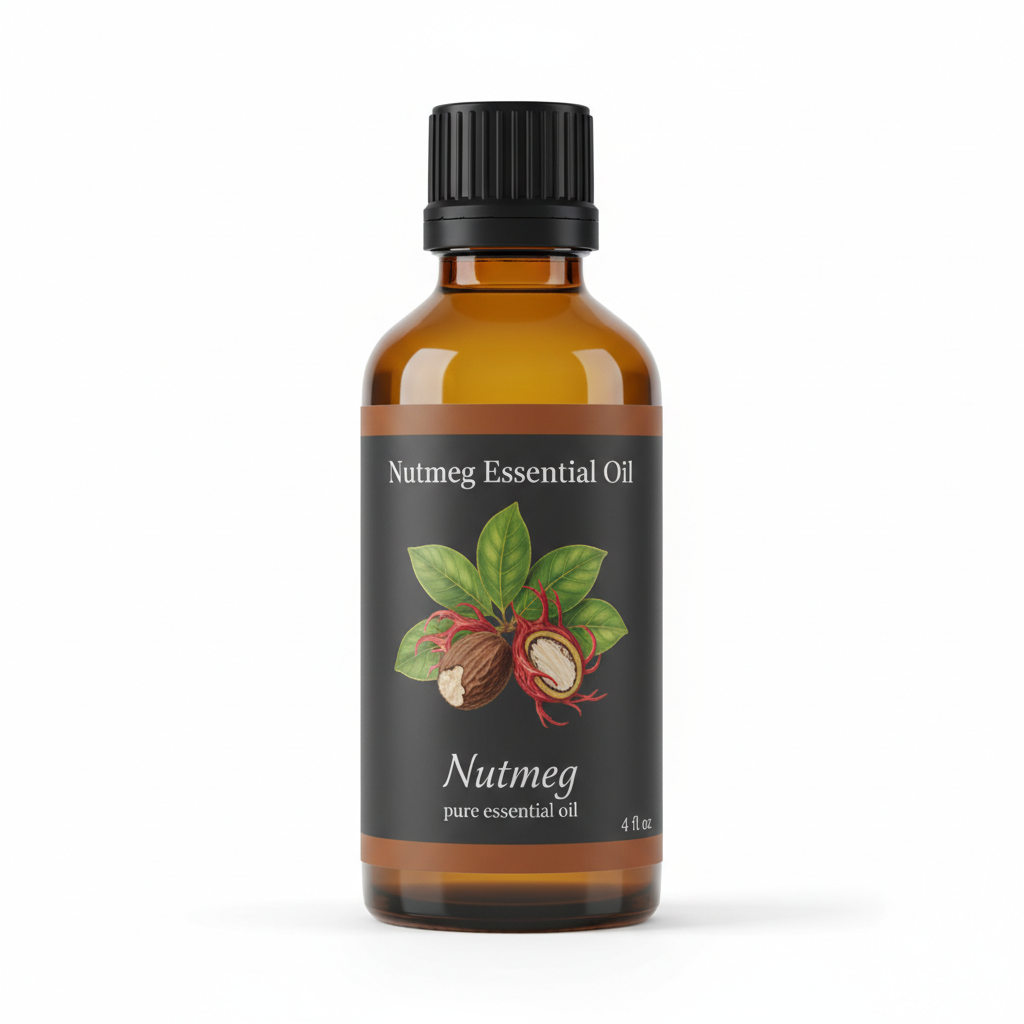
Nutmeg Essential Oil
Our own Nutmeg Essential Oil, in sizes from 0.5 oz to bulk.
From $10.99
Shop Now →We cannot call any oil "safe for pets", and neither can the sources
We sell nutmeg oil as an external aroma and craft ingredient, and we do not say it is safe for cats, dogs or any other animal. The ASPCA's guidance, written about essential oils in general, is more careful than a yes or no. It says that in concentrated form essential oils can be a danger for pets, that dogs and cats who walk through oil or get it on their coat can become unwell, and that oils are not something to apply to animals. It describes unsteadiness, depression and low body temperature in severe cases, and vomiting and diarrhoea if oil is swallowed (Is the Latest Home Trend Harmful to Your Pets? What You Need to Know!).
Nutmeg adds its own reasons for caution. When the European Food Safety Authority reviewed nutmeg oil, it described it as an irritant to skin and eyes and a sensitiser of skin and airways, and its safety conclusions were drawn about animals eating it as a feed additive, which is a different situation from a diffuser in a living room (Safety and efficacy of a feed additive consisting of an essential oil from the seeds of Myristica fragrans Houtt. (nutmeg oil) for all animal species (FEFANA asbl)). Nothing in what we read tells us how much nutmeg oil vapour a cat or dog can comfortably breathe, so we do not offer a number.
What the ASPCA does say about diffusers
The same page says that running a diffuser for a short time in a secured area is unlikely to be a problem when pets cannot reach it. It adds two exceptions. An animal with a history of breathing problems may be better off with no diffuser at all, and birds should be kept away from diffusers entirely, because their respiratory tracts are very sensitive. It also reminds us that a pet's sense of smell is far stronger than ours, so a scent that feels gentle to a person can be overwhelming in a small room.
Reading that sensibly, we would turn it into a short routine:
- Use a room with a door. Diffuse in a space the animal is not in, close the door, and let the scent fade before the animal comes back.
- Keep sessions short. Our general advice for nutmeg is one drop in a small room, and the diffuser post walks through it. With animals around, shorter still.
- Leave an exit. If an animal is in the home, it should never be shut in with the scent. Open a window afterwards.
- Skip birds, and think twice with any small animal. If you share your home with a bird, a rabbit or a guinea pig, ask your veterinarian before diffusing anything.
The bottle is the bigger hazard
Most trouble with essential oils comes from the liquid, not the vapour: a tipped bottle, a drip on a floor, a paw in a puddle, then a tongue. Poison Control's advice for essential oils is blunt. Bottles must be locked up, out of sight and reach of children and pets (Essential oils: Poisonous when misused). Our nutmeg oils arrive neat and undiluted, so that applies fully. A closed cabinet beats a high shelf, since cats treat a high shelf as a challenge. Our children post and storage post cover the habits that work, and they work for four-legged residents too.
The same thinking applies to anything scented with the oil. A simmer pot on a low stove, an open dish of oiled cotton and an uncapped roller bottle are all within reach of a curious animal. Wax melts and candles scented with spice oil are better on a high, closed-in surface or in a room the animal does not enter.
If an animal has been exposed
If a pet has had oil on its coat, has licked a spill or is behaving oddly after a room has been scented, contact a veterinarian or the ASPCA Animal Poison Control Center right away. The ASPCA lists its line as (888) 426-4435. Do not wait to see whether signs develop, and bring the bottle or a photo of it so the people you speak to know exactly what it was. Please do not try to wash an animal with a home remedy first. A veterinarian will tell you what is appropriate for that species.
When the answer is simply "not here"
Some households are better off without a diffuser, and that is a perfectly good outcome. A home with a bird, a cat with asthma or a dog that gets into everything has easy alternatives for a warm autumn feeling: a pot of mulling spices from the grocery, a spice-scented candle from a craft shop kept well out of reach, or a bowl of baking in the oven. Nothing in this post is a medical recommendation for any animal, and nutmeg oil from us is an external aroma and craft oil, not a remedy. Your veterinarian is the right person for a decision about your own animals.
A small amount of thought before the first drop is all this needs. Animals share the air and the floor with us, so the best nutmeg scent is the one made with them in mind.
Nutmeg Essential Oil
Nutmeg Essential Oil from our own shop, in sizes from 0.5 oz to bulk.
From $10.99
Shop Now →Sources & Further Reading
- Is the Latest Home Trend Harmful to Your Pets? What You Need to Know! (ASPCA, 17 January 2018)
- Essential oils: Poisonous when misused (Poison Control)
- Safety and efficacy of a feed additive consisting of an essential oil from the seeds of Myristica fragrans Houtt. (nutmeg oil) for all animal species (FEFANA asbl) (EFSA FEEDAP Panel, EFSA Journal 2023)