Best Nutmeg Oil Bottle Sizes: Which One Should You Order First?
Nutmeg essential oil punches above its weight. A single bottle can anchor a diffuser blend, elevate a cold-process soap recipe, and add warm spice depth to a body butter, all from the same purchase. But walking into the market without knowing which size to order first is a fast way to either run out too soon or sit on more oil than you can reasonably use before it oxidizes. This guide walks you through every standard bottle size, what separates a quality bottle from a mediocre one, and how to match your purchase to your actual routine.
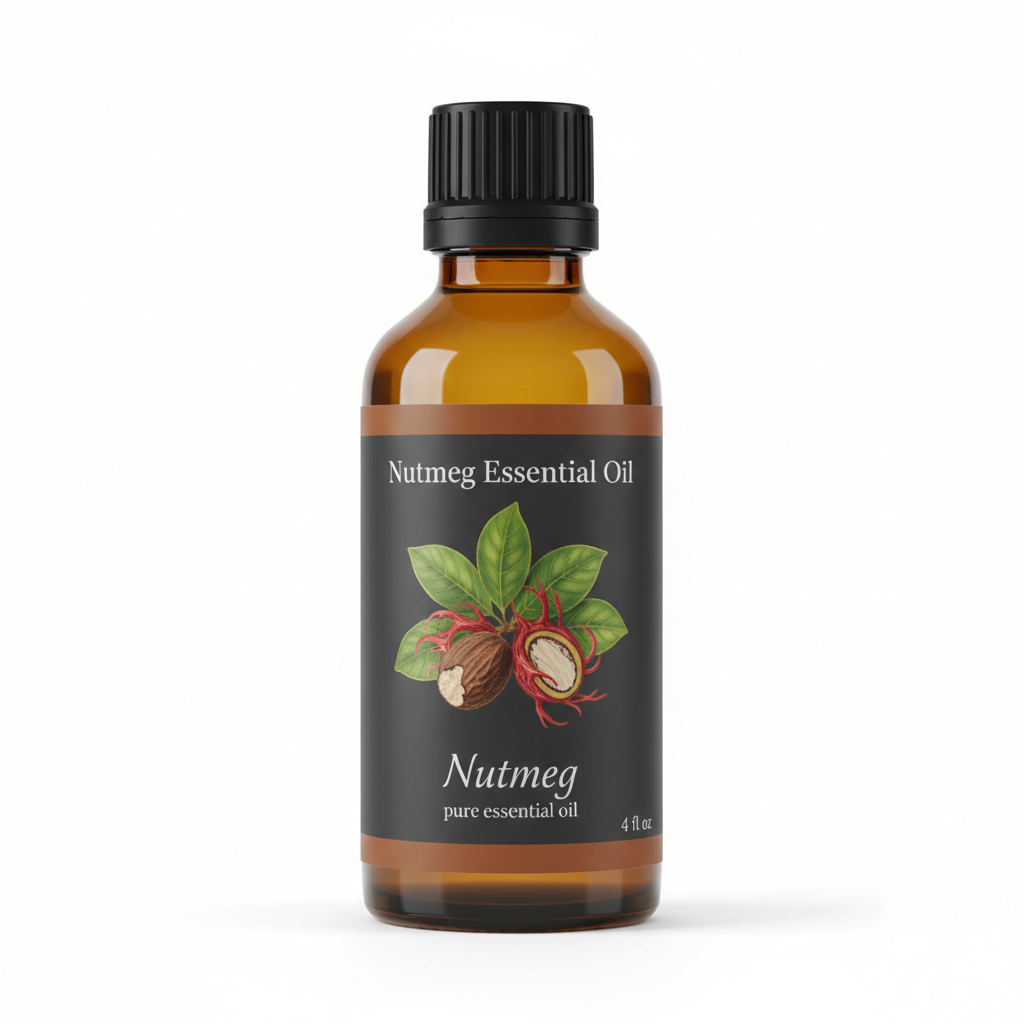
Nutmeg Essential Oil
Our own Nutmeg Essential Oil, in sizes from 0.5 oz to bulk.
From $10.99
Shop Now →Why Bottle Size Matters More Than You Might Expect
Essential oils do not last forever once a bottle is opened. Nutmeg oil, like most steam-distilled spice oils, is rich in monoterpenes such as sabinene and alpha-pinene. These compounds are volatile and prone to oxidation when exposed to air, light, and heat. A bottle that sits half-empty for eighteen months is not the same oil you opened on day one.
Size is therefore not just about budget or convenience. It is about buying an amount you can actually use within a reasonable window. For most personal aromatherapy and cosmetic users, that window is six to twelve months after opening. Craft producers and candle makers who go through larger volumes have more flexibility, but they face their own sourcing considerations.
Getting the size right from the start means better oil quality in your final products, less waste, and better value per milliliter over time.
Quality Indicators: What to Look for in Any Bottle Size
Before comparing sizes, nail down what good nutmeg oil actually looks like. The size on the label is irrelevant if the oil inside is adulterated or poorly stored.
GC/MS Testing and Batch Transparency
Gas chromatography/mass spectrometry (GC/MS) testing breaks down an oil's chemical profile and confirms its purity. Reputable suppliers publish these reports, either by batch number on their website or by sending them on request. If a seller cannot produce a GC/MS certificate for the specific batch you are buying, that is a meaningful gap in their quality assurance process.
Look for East Indian nutmeg oil (Myristica fragrans) from established growing regions such as Indonesia or Sri Lanka. The botanical name and country of origin should appear clearly on the label or product listing.
Packaging Integrity
Amber or cobalt glass is the standard for quality essential oil packaging. Both colors block UV light, which degrades volatile compounds. Clear glass is a red flag at any bottle size. Plastic bottles are acceptable only for very large industrial quantities where glass is impractical, and even then, the oil should be transferred or used quickly.
A proper reducer insert (orifice reducer) should be fitted into the neck so the oil flows drop by drop, minimizing air exposure with each use. European dropper caps and tamper-evident seals are additional markers of a supplier who takes storage seriously.
Scent Profile
Authentic nutmeg essential oil carries a warm, spicy, woody note with subtle sweetness underneath. It should not smell flat, medicinal, or overly sharp. If a sample smells faintly like turpentine or lacks that characteristic round spice quality, the batch may be old, adulterated, or distilled from low-grade material. When possible, request a sample before committing to a large bottle.
The Standard Nutmeg Oil Sizes: A Practical Breakdown
5 ml (Approximately 100 Drops)
This is the entry-level size and the right starting point for anyone trying nutmeg oil for the first time. At roughly 100 drops per bottle, a 5 ml gives you enough to test the scent in a diffuser blend, try a small diluted skincare recipe, and decide whether you want to commit to a larger purchase.
Price range typically falls between $5 and $15 depending on the brand. The cost per milliliter is the highest of any size, so this is not an economical long-term choice. Think of it as a low-risk introduction. If you love the oil, you will use it up quickly and already know which supplier's quality you trust before spending more.
For more detail on what to check before your first purchase, see our ultimate quality and value guide to buying nutmeg oil.
15 ml (Approximately 300 Drops)
The 15 ml bottle is the most common retail size in the essential oil industry, and for good reason. It suits the home user who blends regularly. Three hundred drops is enough for dozens of diffuser sessions, a full batch of homemade candles at low usage rates, or several rounds of personal care formulating.
Expect to pay between $10 and $28 for a quality 15 ml nutmeg oil, depending on sourcing and brand positioning. The cost per milliliter drops noticeably compared to the 5 ml, making this a sweet spot for most personal users. If you diffuse daily or maintain a consistent blend rotation, a 15 ml bottle at this price point will serve you for several months without going stale.
30 ml (1 oz, Approximately 600 Drops)
Step up to 30 ml when you have confirmed you love the oil and use it consistently. At roughly 600 drops, this size works well for soap makers, small candle producers, and anyone who blends for both personal use and gifts. The per-milliliter cost drops again, often by 20 to 35 percent compared to the 15 ml size from the same brand.
Quality indicators become even more important at this size. You are spending more, and you need confidence in the batch. Always request GC/MS documentation for any bottle above 15 ml if the supplier has not already published it publicly.
100 ml to 250 ml (Wholesale-Adjacent Sizes)
These sizes bridge the gap between retail and true wholesale. A 100 ml bottle is practical for small craft businesses, candle studios producing consistent runs, or serious hobbyists who blend frequently enough to use the oil within six to nine months. Prices at this tier vary widely. A genuine, well-sourced 100 ml can range from $40 to $90. Be cautious of prices that seem dramatically lower than market averages: unusually cheap oil at this volume is often a sign of dilution, old stock, or synthetic adulteration.
If you are scaling up your nutmeg oil purchasing to this level, read our guide on where to buy nutmeg essential oil when shopping online before committing to a supplier.
500 ml and Above (Bulk and Wholesale)
At half a liter and beyond, you are firmly in wholesale territory. These quantities make sense for manufacturers, large candle producers, cosmetic formulators, and businesses with consistent high-volume needs. Storage requirements change at this scale. The oil should be kept in a cool, dark environment (ideally under 60 degrees Fahrenheit), in tightly sealed containers with minimal headspace, and used within a defined production window.
Purchasing at bulk scale also changes how you evaluate suppliers. Certificates of analysis, origin documentation, and minimum order quantities all become part of the conversation. Our dedicated resource on bulk and wholesale nutmeg oil for candle makers and producers covers this territory in depth.
Comparing Key Features Across the Market
| Bottle Size | Best For | Typical Price Range | Shelf Life After Opening |
|---|---|---|---|
| 5 ml | First-time buyers, sample testing | $5 to $15 | 6 to 12 months |
| 15 ml | Regular home users, diffusing, small batches | $10 to $28 | 6 to 12 months |
| 30 ml | Frequent blenders, small-scale crafters | $18 to $45 | 6 to 12 months |
| 100 ml | Small businesses, regular craft production | $40 to $90 | 6 to 9 months after opening |
| 500 ml+ | Manufacturers, wholesale buyers | Market rate, varies | Use within production cycle |
Red Flags to Avoid When Buying Nutmeg Oil
The essential oil market has no shortage of low-quality products dressed up with attractive labels. Here is what to watch for at any bottle size.
- No botanical name or country of origin. A label that only says "Nutmeg Oil" without Myristica fragrans and a listed source country is offering you very little transparency about what is inside.
- Clear glass bottles. UV exposure degrades the oil. Clear glass is a storage mistake that suggests the seller is not prioritizing oil integrity.
- Suspiciously low prices. Quality nutmeg essential oil costs money to distill properly and source ethically. A 30 ml bottle priced at $4 is almost certainly not pure, undiluted oil.
- No batch-specific testing. A GC/MS report from two years ago does not tell you anything about the bottle in your hand today. Batch-specific documentation matters.
- Vague "fragrance oil" or "blend" language. Some sellers list products that contain synthetic fragrance compounds alongside natural oil. Read ingredient lists carefully. You want 100 percent pure Myristica fragrans essential oil.
- Broken or missing tamper seals. Any bottle that arrives without an intact seal should be returned. There is no way to verify the oil has not been exposed to air or altered before you received it.
Top Picks at Different Price Points
Rather than recommending specific brand names (which change in availability and quality over time), here is a framework for finding the best nutmeg oil to buy at each tier.
Budget Pick: 5 ml From a Transparent Indie Supplier
Look for small-batch essential oil companies that publish full GC/MS reports on their website per batch. Many indie suppliers in this category charge a fair price for genuine quality and are responsive to customer questions about sourcing. A 5 ml from a trustworthy indie supplier beats a 15 ml from a faceless discount platform every time.
Mid-Range Pick: 15 ml From an Established Aromatherapy Brand
Several established companies have built reputations over decades on consistent sourcing and testing standards. At the 15 ml level, these brands offer reliable quality without the premium markup of certified organic lines. Look for brands that name their distillers or growing regions, not just the country.
Value Pick: 30 ml From a Direct-Import Supplier
Some suppliers import directly from Indonesian or Sri Lankan distilleries and pass the savings to the buyer at the 30 ml and above level. These companies often serve both retail and trade buyers. Verify their documentation standards before purchasing, but if the paperwork checks out, you can access excellent quality at a noticeably better per-milliliter price.
Where to Buy Nutmeg Oil Bottles
The three main channels are specialty essential oil retailers (online or brick-and-mortar), direct-import suppliers, and general marketplaces like Amazon or Etsy. Each has trade-offs.
Specialty retailers offer curated selections with stronger quality controls but sometimes charge a premium. Direct-import suppliers offer better pricing at volume but require more due diligence on your part. General marketplaces have enormous selection and competitive pricing, but product quality varies dramatically and third-party sellers are not always transparent about testing.
For a detailed breakdown of how to navigate each channel, our guide on smart online shopping for nutmeg essential oil covers the specifics, including what questions to ask sellers before checkout.
How to Store Your Bottle Once It Arrives
No matter which size you order, proper storage protects your investment. Keep nutmeg oil in a cool, dark location away from heat sources and direct sunlight. A drawer, cabinet, or dedicated oil storage box works well. Replace the cap tightly after every use. If you have a large bottle you will not use quickly, consider decanting a working amount into a smaller bottle to minimize how often the main supply is exposed to air.
Nutmeg oil that has oxidized takes on a sharper, harsher scent. If your oil no longer smells like that warm, round spice you fell in love with, it is past its prime for cosmetic use. Buying the right size in the first place is the simplest way to avoid that outcome.
Making Your Decision
Start with a 5 ml if you have never used nutmeg oil before. Move to a 15 ml once you know the scent works in your blends. Step up to 30 ml when you are going through a 15 ml bottle in under three months. Only consider 100 ml and above when your production volume genuinely justifies it and you have a storage setup that protects the oil properly.
The best nutmeg oil bottle size is the one you will actually use up before it oxidizes. Quality and freshness always outrank the savings of buying in bulk before you are ready.